Saudi-Iran Standoff and Oil Tankers
By Aiswarya Lakshmi
January 5, 2016
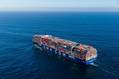
The Saudi-Iran standoff is certainly one to worry over given its ramifications for oil supply as they sit on either side of the Persian Gulf, the world’s biggest concentration of oil tankers, reports Bloomberg.
The Strait of Hormuz at the mouth of the Persian Gulf is the world’s most important choke point for oil shipments, with about 17 million barrels of crude passing through daily.
World chokepoints for maritime transit of oil are a critical part of global energy security. About 63% of the world's oil production moves on maritime routes. The Strait of Hormuz and the Strait of Malacca are the world's most important strategic chokepoints by volume of oil transit.
EIA estimates that more than 85% of the crude oil that moved through this chokepoint went to Asian markets, based on data from Lloyd's List Intelligence tanker tracking service.6 Japan, India, South Korea, and China are the largest destinations for oil moving through the Strait of Hormuz. Ships carrying crude oil and petroleum products are limited by size restrictions imposed by maritime oil chokepoints.
The caustic feud between regional powerhouses Saudi Arabia and Iran has suddenly collapsed into a diplomatic crisis of the first order, with diplomats being tossed out, ties being cut. The rising tension in the Middle East sent crude prices spiking by nearly 3% in early trade before they dropped back to below $37 a barrel.
The war of words could have long term implications for oil prices. Both countries are major oil producers, and founding members of OPEC.
Saudi Arabia, the world’s biggest oil exporter, cut ties with Iran after protesters in the Shiite-majority country stormed the Saudi embassy. The incident followed the Sunni-ruled kingdom’s execution of 47 people for terrorism-related offenses on Saturday, including a Shiite cleric.
Iran has in the past threatened to block access to the Strait of Hormuz in retaliation for economic sanctions targeting its nuclear program and choking off its ability to sell oil.