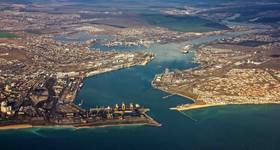
Rosneft is diverting oil supplies to the Tuapse refinery from the Black Sea port of Novorossiysk after the terminal, which handles roughly 14% of Russia's crude exports, was heavily damaged in a drone attack, three sources said on Monday.
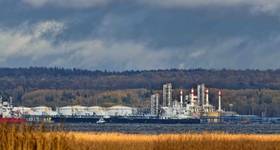
A Ukrainian drone attack sparked a large fire at the Sheskharis oil terminal in the Novorossiysk port last week, damaging two of its main berths and forcing oil exports from the port to halt, according to the sources, who were familiar with the matter but were not authorised to speak to the media.
The development underscores Russia's challenges in exporting oil as the rising number of Ukrainian drone attacks deals damage to its energy infrastructure, putting additional pressure on the Russian pipeline system and increasing the risk of disruptions to crude oil output.
Russian oil producer Rosneft, one of the country's largest exporters shipping crude via Novorossiysk, diverted a significant volume of oil to its Tuapse refinery, two of the sources said.
Runs at the refinery, which is located close to the Novorossiysk port, are expected to increase to nearly 800,000 metric tons this month, they added, from usual 500,000-600,000 tons per month.
Tuapse processed about 500,000 tons in March, the sources said. The refinery is focused on fuel exports and ramping up its capacity makes sense amid higher margins, they added.
Rosneft did not respond to a request for comment.
Other exporters transporting oil via the port have begun diverting crude volumes to alternative destinations, including other export routes and domestic refineries, the sources added, saying they do not expect a quick resolution.
They are likely to redirect oil to Baltic ports that have resumed loadings after the attacks or also to the domestic market, the sources said.
Novorossiysk, which can export about 700,000 barrels per day (bpd) of crude, resumed limited oil loadings last week, but traders said the flows were minimal and the port was not operating anywhere near full capacity.
The loadings resumed for berth number two, which accommodates smaller tankers, while the two main oil export berths remained shut.
Moscow ramped up oil loadings in early April and exported more crude on average than in March, Reuters reported last week, helping to offset part of the losses caused by disruptions in the Black Sea.
(Reuters)