Retailers Working to Minimize Disruption from Hanjin Bankruptcy
Posted by Eric Haun
September 1, 2016

Jon Gold (Photo: NRF)
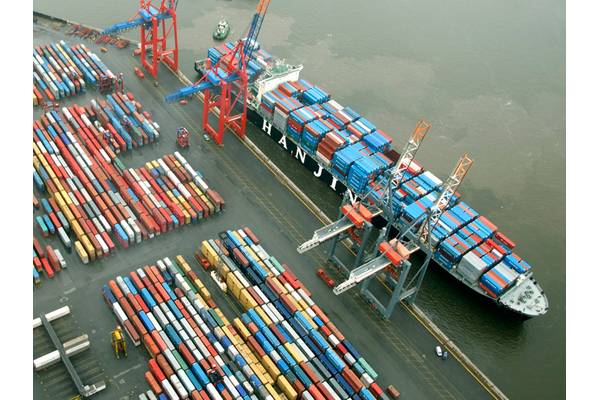
Photo: Hanjin Shipping
The National Retail Federation (NRF) Vice President for Supply Chain and Customs Policy Jonathan Gold weighs in on this week’s bankruptcy filing by Hanjin Shipping.
“Retailers’ main concern is that there is millions of dollars worth of merchandise that needs to be on store shelves that could be impacted by this. Some of it is sitting in Asia waiting to be loaded on ships, some is already aboard ships out on the ocean and some is sitting on U.S. docks waiting to be picked up,”
“It is understandable that port terminal operators, railroads, trucking companies and others don’t want to do work for Hanjin if they are concerned they won’t get paid. However, we need all parties to work together to find solutions to move this cargo so it does not have a broader impact on the economy,” Gold said.
“There are more questions than answers at this point, but retailers are working to get all issues addressed. Retailers are working with all of their service providers to find ways to get their cargo moving to ensure that there is no or limited interruption in the supply of merchandise,” Gold said.