Port Workers in Argentine Grains Hub to Hold Wage Protests
Posted by Eric Haun
April 20, 2017
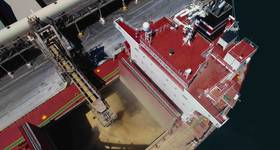
Port workers in Argentina's main grains hub of Rosario will hold flash protests and block access gates over the weeks ahead as part of wage negotiations in which they are demanding a 40 percent pay increase, a union leader said on Thursday.
Wage strikes and protests are common in Argentina, which had an inflation rate of about 40 percent last year. The central bank aims to cut inflation by more than half in 2017.
"We are going to hold days of protests in front of the gates of different port facilities. We will hold them one or two days a week until the end of the month up and down Rosario's industrial corridor," local representative of the CGT labor union Edgardo Quiroga told Reuters by telephone, adding the exact times and locations would not be announced ahead of time.
He said protesters would not block all of Rosario's terminals at the same time.
A spokesman for Argentina's port operators' chamber could not be reached for comment.
Argentina's is the world's top exporter of soymeal livestock feed and soyoil, which is used in making biofuels.
(Reporting by Maximilian Heath; Writing by Hugh Bronstein; Editing by Lisa Shumaker)