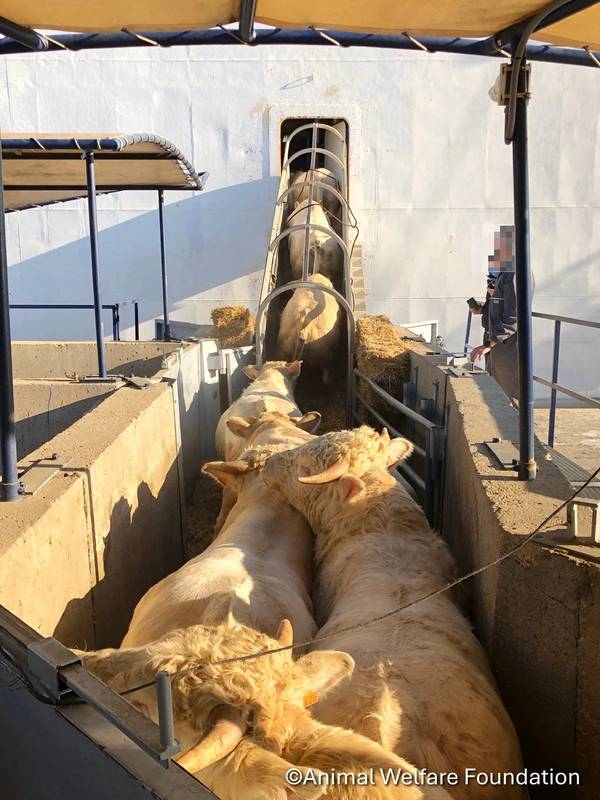
While bombs are falling in the Middle East, EU Member States continue to export live animals to the region, with the European Commission (EC) refusing to be held accountable, says the Eurogroup for Animals, the French animal welfare organization Welfarm and the German NGO Animal Welfare Foundation (AWF).
The organizations have submitted a joint petition to the EC calling for an immediate halt to these transports. Almost 50,000 signatories are calling on the EU to instruct its Member States to no longer authorize animal transports to war and crisis zones in the Middle East.
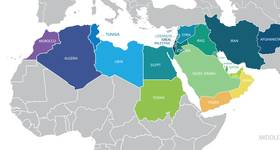
EU Member States continue to export live animals regularly to countries such as Israel or Lebanon—that is, precisely to those regions directly or indirectly affected by the war.
“Anyone who transports animals to a war zone exposes them to incalculable risks. Yet the EU Animal Transport Regulation clearly states that animals must not be transported if they could be injured or suffer unnecessary distress in the process,” says Stéphane Boissavy, advocacy and campaign director at Welfarm.
The EC claimed that current EU law does not provide for the possibility of suspending exports in general. Instead, the Commission has even asked Member States to support exporters by issuing replacement certificates in exceptional cases so that transports can continue despite “difficulties”.
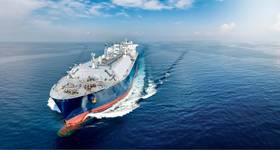
The case of an Indian-registered livestock carrier that recently sank off the coast of Oman shows that these risks are by no means hypothetical. According to media reports, the ship was struck by a bomb or a missile and sank with approximately 4,000 sheep and goats on board. Even though it was not a European vessel, the incident highlights the dangers to which European livestock transport vessels, their crews, and the animals on board are exposed in the region.
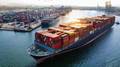
Since February 2026, more than 50 shipments of live animals have departed from European ports bound for destinations in the conflict zone (Eastern Mediterranean or Red Sea). The overwhelming majority were destined for Israel, while additional shipments were directed to Lebanon, Syria, Jordan, Saudi Arabia, and Somalia.
Romania's port of Midia was by far the principal departure point for these shipments. Other exporting ports are mainly Raša (Croatia) and Sines (Portugal) but also Setúbal (Portugal), Koper (Slovenia), and Greenore (Ireland).
A total of 20 livestock vessels carried out these voyages. Some of them operated multiple rotations within a short timeframe (e.g. Finola M, Jersey, Julia L.S., Tuleen, Uranus II, Uranus III), indicating an ongoing and repeated trade pattern rather than isolated shipments.
Overall, despite the evolving conflict situation, the data suggests that live animal exports from the EU to the Middle East have continued at a steady pace during this period, including to high-risk destinations.