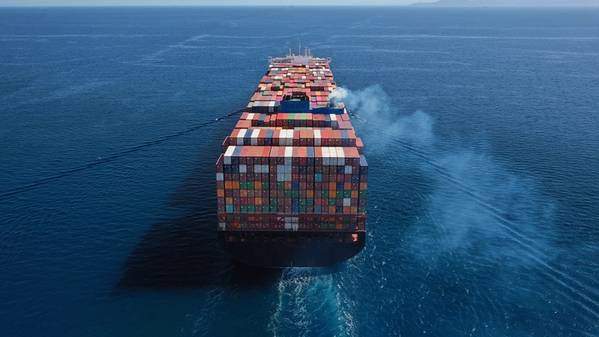
India's cabinet approved development on Wednesday of a new deep-water port that the government said will be a crucial part of a plan to connect the Asian country with Europe by sea and rail links through the Middle East.
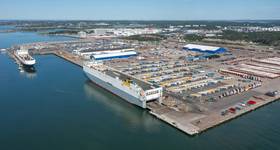
The Vadhavan port will be built on India's western coast, about 150 km (93 miles) from financial capital Mumbai, for 762 billion Indian rupees ($9.14 billion), Information Minister Ashwini Vaishnaw told reporters.
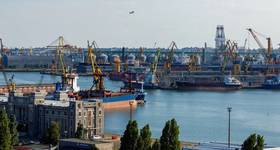
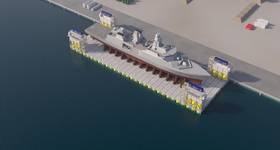
The port will include terminals to accommodate "mega vessels" and terminals for petroleum, automobiles and other imports, with annual capacity of 298 million metric tons, Vaishnaw said. He added that the first of two phases of construction is expected to be completed by 2029.
"This will be an integral part of (the) India-Middle East corridor," Vaishnaw said, referring to the plan announced in September on the sidelines of the G20 summit in New Delhi.
"This will be a major multiplier of economic activity in the future."
($1 = 83.3870 Indian rupees)
(Reuters - Reporting by Shivam Patel; Editing by Rod Nickel)