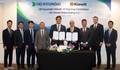
BIO-UV Group has announced a strategic partnership with water-monitoring specialist MicroWISE to develop new ballast-water treatment and verification solutions designed to address rising enforcement pressures and the anticipated growth of port-side reception facilities.
The collaboration combines BIO-UV Group’s BIO-SEA ballast-water treatment technology with MicroWISE real-time organism analysis, creating an integrated approach to treatment and compliance validation.
The partnership comes at a critical moment for the maritime industry. Although ballast-water management systems have now been installed across most of the global fleet, port-state control inspections continue to reveal inconsistent performance and persistent non-compliance with the D-2 discharge standard.
Many systems struggle to meet biological limits during operational testing, and authorities lack rapid tools to confirm whether discharged water is compliant. As a result, ports are exploring dedicated treatment and reception capabilities to handle non-compliant ballast water safely and efficiently as a way of reducing congestion delays, and detentions.
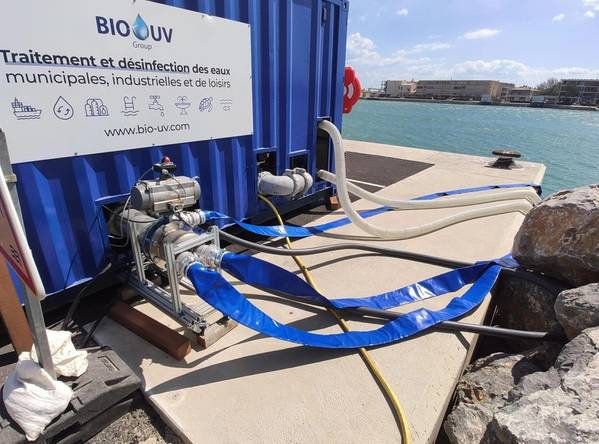
MicroWISE biological monitoring technology enables accurate, in-line detection and quantification of viable organisms, allowing compliance to be assessed before water is discharged. By integrating real-time organism monitoring, BIO-UV Group can deliver a BWTS compliance solution that allows ports to process ballast water while avoiding any operational disruption.
The companies will also continue joint R&D on sediment removal, flocculation processes and a potential single-pass treatment configuration to improve efficiency and reduce the footprint of port-side systems. The collaboration also supports BIO-UV Group’s plans to expand into the wider environmental-infrastructure market as ports consider onshore treatment as part of long-term investment strategies.
BIO-UV Group notes growing international interest in port-side treatment solutions, and the two companies will continue validation work throughout 2026. Both partners expect integrated treatment and verification technologies to play an increasingly central role in how the industry manages compliance over the next decade as environmental regulation expands and inspection regimes intensify.