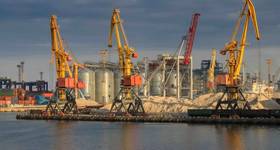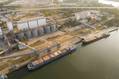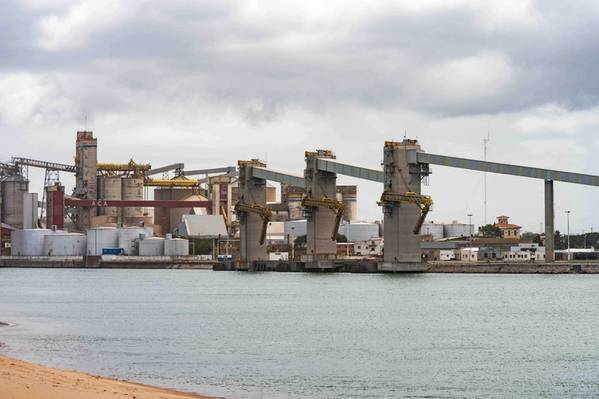
At least 18 boats faced delays loading grain and oilseed cargoes at Argentina's Quequen port due to a protest staged by a small group of truckers, port data showed on Thursday, as exporters estimated losses in the hundreds of millions of dollars.
The truckers began a strike on April 7, blockiReutersng access to the Bahia Blanca and Quequen ports, demanding higher freight rates after fuel prices rose nearly 30% this year due to the Middle East conflict.
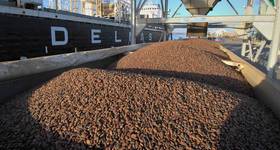
According to port data updated through Wednesday, the vessels were waiting to load a total of 159,000 metric tons of sunflower seed, 109,000 tons of corn, 99,000 tons of barley and 92,000 tons of wheat.
"This situation in Quequen has become unsustainable. We are prevented from operating at all terminals in the port," Gustavo Idigoras, head of the CIARA-CEC chamber of grain exporters and processors, told Reuters.
He added that losses from the delays amounted to around $300 million.
Argentina is the world's third-largest exporter of soybeans and corn, and a key global supplier of wheat and sunflower seed. The Quequen terminal handles 20% of the country's soybean exports.
Destinations for the delayed vessels include Vietnam, China, Brazil, Malaysia and Spain, among others.
(Reuters)