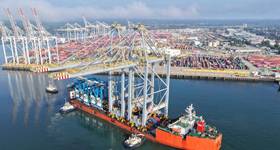
The industry body, Cargo Integrity Group, has issued a statement of support for the recent circular issued by the China Maritime Safety Administration (MSA) following the YM Mobility explosion on August 9, 2024, at Ningbo-Zhoushan Port. The vessel was carrying hazardous goods at the time.
In its circular, the MSA reiterated the need for all shipping-related enterprises to implement comprehensive safety protocols, particularly during high-temperature seasons. This includes the rigorous management of dangerous goods, adherence to safety regulations, and thorough education and safety training for employees and crew members to handle potential risks effectively.
The Cargo Integrity Group echoes these sentiments, saying: “It is imperative that all parties involved in the supply chain – including shippers, freight forwarders, carriers, and port operators – recognize their roles and responsibilities in ensuring the safe transport of containers, both in compliance with dangerous goods regulations and in adopting sound industry practice, such as the CTU Code. Each party must contribute to a culture of safety that prioritizes the well-being of supply chain employees and vessel crews.”
Key Responsibilities for Safe Container Transport:
Shippers: Must ensure that all cargo is correctly classified, packaged, and labelled according to the International Maritime Dangerous Goods (IMDG) Code. Accurate and timely provision of emergency information to carriers is not just a regulatory requirement but a critical component in mitigating risks associated with the transport of dangerous goods.
Carriers and Shipping Companies: Must maintain robust safety management systems and conduct regular training and emergency drills to enhance the preparedness of crews. Proper stowage, segregation, and isolation of dangerous goods, along with diligent inspection protocols, are essential to prevent incidents.
Freight Forwarders and Port Operators: Should work closely with carriers and shippers to verify cargo documentation and ensure the accurate declaration of dangerous goods. They should also be vigilant in inspecting containers for any potential hazards.
The Cargo Integrity Group also stresses the importance of immediate communication and coordination among all parties to address any discrepancies or emergencies swiftly. As noted in the MSA circular, the proper management of dangerous goods, including temperature-sensitive materials and those with lower flash points, requires stringent adherence to safety guidelines.