Argentina's lower house of Congress was set to vote on Thursday on a contentious labor reform backed by libertarian President Javier Milei, as unions staged a nationwide strike that has brought parts of the country to a halt.
Argentina's largest umbrella union CGT says the proposed overhaul threatens long‑standing worker protections, including the right to strike. In response, it has launched a 24‑hour stoppage involving transport workers, public sector staff and bank employees.
"With unity, organization and conviction, workers will make our voices heard in all the country," the CGT said on X on Thursday, as protestors marched towards the Congress in Buenos Aires.
The state airline, Aerolineas Argentinas, said it expected the strike to cause the cancellation of 255 flights, mostly within Argentina, and generate losses of some $300 million.
The airport in Chile's capital Santiago announced the suspension of some flights due to the strike.
The subway and many bus lines in the city of Buenos Aires were also at a standstill.
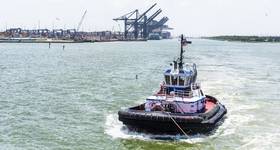
The strikers joined the maritime workers' federation, which began a 48‑hour walkout on Wednesday, targeting cargo vessel operations mainly in the port of Rosario, one of the world’s largest agricultural export hubs.
Data from maritime agency NABSA analyzed by Reuters on Thursday showed at least 12 grain ships were affected, carrying some 381,000 metric tons of cargo including soybean meal, sunflower seeds, wheat, corn, barley and biodiesel.
"It's a strike that's absolutely incomprehensible," said Milei's chief of staff Manuel Adorni on a streaming program on Thursday. "There's a sector of society that's not used to democracy."
The government argues that the bill, approved last week by the Senate with support from the ruling party and its center‑right allies, would encourage investment and promote formal employment. Investors are closely watching the legislation to see whether Milei has the power to continue implementing his free-market agenda.
The reform would impose new limits on the right to strike by requiring essential services to maintain minimum operations during stoppages.
It would also lower severance costs for employers by excluding certain bonuses from the compensation formula.
The vote in the Chamber of Deputies is expected late on Thursday. Any changes to the bill would send it back to the Senate for a final vote before it can become law.
(Reuters)