Maersk Sees Strong Growth in Mexico
By Aiswarya Lakshmi
January 11, 2017
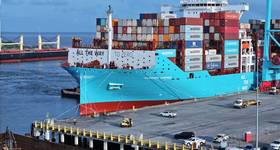
Maersk Line saw a 21 percent jump in cargo volumes in Mexico between January and October 2016 compared with the year-earlier period, says a report by T21.
Mexico is expected to be one of the main beneficiaries of the newly expanded Panama Canal and its infrastructure is undergoing a major transformation in order to enable it to benefit from increasing trade.
One of the most notable achievements of the shipping company in Mexico is the launch of the direct service between Mexico and Japan (Yokohama), which allows Mexico to diversify its exports to new markets, as it is an important route for their avocados and other fresh produce.
According to Drewry, an independent consultant to the maritime sector, to reinforce these operations, Maersk Line bought 14,800 new refrigerated containers (Reefers) in 2016 that, together with the 30,000 reefers acquired in 2015, reduces the refrigerated equipment fleet's age to 7.9 years, a number that is below the 12-year average that the industry has.
Bananas and avocados were among the agricultural products fuelling a surge in trade in refrigerated containers.