Maersk Line intend to take measures to avoid a repetition of the ocean container shipping 'rate wars' of previous years.
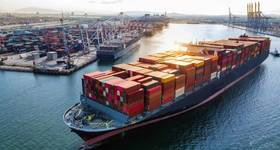
With a capacity of 18,000 20-foot containers, the Triple-E will be the largest container ship ever built. Maersk acknowledges that the introduction of the new vessels comes at a challenging time, with weak demand putting strains on all carriers.
The Triple-E is built for the Asia-to-Europe (AE) service, Maersk Line’s most important trade lane. Volumes on that trade shrank by 5% in 2012, estimates industry analyst Alphaliner, and are expected to grow by only 1% in 2013.
Does that make the vessels a bad investment? “Not at all,” says CEO Søren Skou. "First of all, most of the ships will not be delivered until 2014, so with five Triple-Es joining the fleet this year the capacity injection in 2013 is quite minimal. As we introduce new and larger ships, if the market is not growing we will pull out other capacity to make the balance for us,” says Skou.
Maersk Line say they are monitoring demand closely and are ready to adjust capacity accordingly to avoid a repetition of the devastating rate wars of some of the previous years. There are a number of ways to do that, including returning chartered vessels to leasing partners, scrapping or recycling excess tonnage, idling parts of the fleet and further implementing slow steaming.
The plan is to phase in the Triple-E vessels on the AE10 service, which currently calls at 13 different ports between Asia and Northern Europe. “They will replace the 13,100 TEU charter tonnage vessels, which will be cascaded to other services,” says Chief Operating Officer Morten Engelstoft.
“We estimate that we will only increase capaci by about 1.5% in 2013, in line with our ambition of growing with the market.” The cascading exercise serves another purpose, as removing excess capacity also means that the least efficient and more polluting vessels are pulled out of the network.