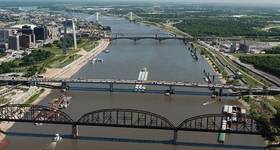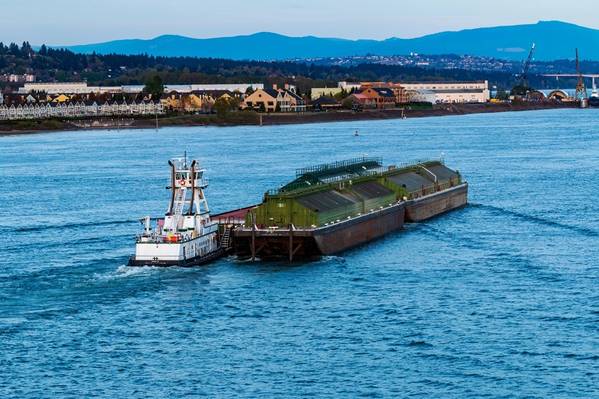
The inland waterways report in September 2022 edition of Marine News focused on issues facing the Lower Snake River Dams (LSRD) in the northwest, in U.S. Army Corps of Engineers’ (USACE) Walla Walla District.
That report referenced issues and concerns confronting regional towboat and barge operators about possible changes to the Columbia Snake River System – perhaps even breaching the four Lower Snake River dams, a move with irreversible consequences.
In August, a report by U.S. Sen. Patty Murray and Washington Gov. Jay Inslee was completed and the report’s recommendations were published. In Washington, next steps are proceeding as possible budget and policy proposals within the state’s budget, under development now. The budget could fund, for example, studies on alternatives to barge transport and alternative electrical generation and transmission if hydro generation ended.
Marine News checked back with some of the industry reps active on Snake River issues. They were asked: what do you think of the Inslee-Murray recommendations?
Heather Stebbings, executive director of the Pacific Northwest Waterways Association (PNWA), pointed out that Washington Department of Transportation (DOT) estimated it would cost $10 million to undertake a complete transportation study. The Governor’s budget, however, proposes $5 million. Additionally, PNWA thinks this should be a national study, not a state one. After all, decisions about the dams and waterborne commerce will be made at the federal level and will require Congressional action. Stebbings said a study “needs to incorporate all impacts from the removal of barging as a transportation option, including increased fuel consumption and GHG emissions, traffic safety, impacts on underserved communities, lack of available truck and rail capacity, and whether a shift of this nature could realistically take place given the regional geography, land availability and current regulatory environment.”
Peter Schrappen, CAE, is VP for the American Waterways Operators (AWO) Pacific Region, based in Seattle. His concerns mirrored Stebbings’: federal issues need federal scope. He said the entire transportation system needs complete review, not one that’s underfunded. Schrappen seeks answers to basic questions: where will Washington find the 80,000 truck drivers needed to haul cargo that now moves by barge?
Washington’s 2023 two-year budget must be finalized by July 1.