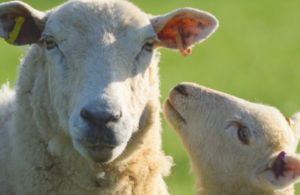
A new ban on exporting live animals came into law in the UK on May 20 as the Animal Welfare (Livestock Exports) Act received Royal Assent.
The act capitalizes on post-Brexit freedoms to bolster the UK’s position as a world leader in animal welfare standards, said the Department for Environment, Food & Rural Affairs.
“The legislation delivers on a key manifesto commitment to ban the export of live animals including cattle, sheep, and pigs for slaughter and fattening from Great Britain. It is only possible now the UK has left the European Union, and will stop animals enduring stress, exhaustion and injury on long and unnecessary export journeys.”
The Act will ensure that animals are slaughtered domestically in high welfare UK slaughterhouses, which the government says will reinforce the UK’s position as a nation of animal lovers and a world leader on animal welfare. It will also boost the value of British meat and helping to grow the economy.
Environment Secretary Steve Barclay said: “We are proud to have some of the highest animal welfare standards in the world.”
Chris Sherwood, Chief Executive of the RSPCA, said: “As one of the first countries in the world to abolish this practice, this vital step for animal welfare sends an important message globally, and we hope to see other countries follow suit soon.”
Roly Owers, World Horse Welfare Chief Executive said: “Today is a defining moment in our nearly century-long and founding campaign. The passage of this law ensures that no horse, pony or donkey will legally be exported from Great Britain for slaughter, and while this is a monumental step forward, plenty more needs to be achieved to effectively combat the illegal export of equines from the country.”
As the highest ranked G7 nation according to World Animal Protection’s Index, the government is committed to high animal welfare standards and ensuring all animals are treated well at all stages of life. The government says it has been clear that animals should only be transported when necessary, and if possible should not travel long distances to be slaughtered.
Live exports in other specific circumstances, for example, for breeding and competitions, will still be allowed provided animals are transported in line with legal requirements which protect their welfare.
The legislation follows a consultation on ending live animal exports in which 87% of respondents agreed that livestock should not be exported for slaughter and fattening.
Since publishing the Action Plan for Animal Welfare in 2021, the government has brought in new laws to recognize animal sentience, introduced tougher penalties for animal cruelty offences, announced an extension of the ivory ban to cover other ivory bearing species, supported legislation to ban glue traps and the import of detached shark fins, and introduced measures to ban the advertising and offering for sale of low welfare activities abroad.