$301 mln Dredging Operation by JNPT
By Aiswarya Lakshmi
March 20, 2016
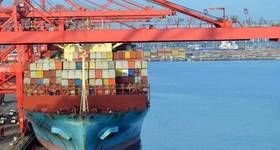
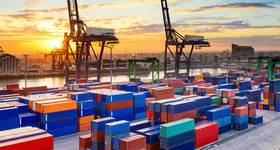
The board of Jawaharlal Nehru Port Trust (JNPT), India’s biggest container port, has approved Rs 2000 crore ($301 mln) dredging operation of the channel between Bombay Port Trust (BPT) and its own end to facilitate bigger ships docking/berthing at the port premises.
Currently, the port with a draft of 14 metres (tidal) is capable of receiving ships that can carry 11,000 containers and on April 1, a ship with 13,900 containers will call on the port reflecting the greater draft capacity.
The new proposal is to increase the depth to 15 meter. JNPT deputy chairman, Neeraj Bansal said that a cabinet nod will be required post work order, the channel deepening work will take couple of months.
It is expected to be complete by the end of 2016-17 fiscal or beginning of 2017-2018. Sources said one fifth of the cost will be borne by BPT that is a multi cargo port.
JNPT and the Shipping Ministry are also working with the Maharashtra government and Railway Ministry for the early commissioning of a rail link between Manmad and Indore that will drastically bring down container traffic movement time from the present 12 to 13 days from Mumbai to Delhi to one or two days.