The frequency of cable incidents in the Baltic Sea has been "exceptional" in recent years, but state actors have more effective ways of performing underwater sabotage than by dragging anchors, Finland's intelligence service chief said.
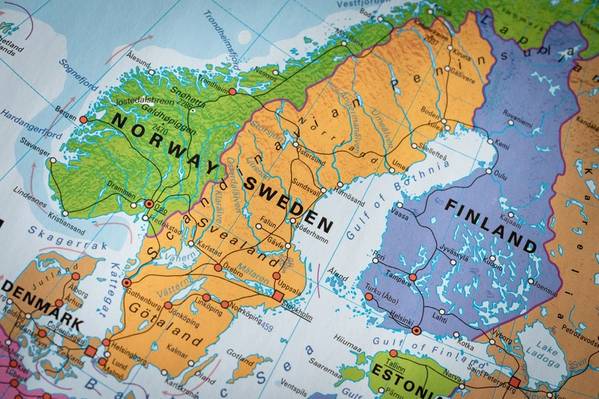
The Baltic Sea region is on high alert after a string of power cable, telecom link and gas pipeline outages since Russia invaded Ukraine in 2022, and the NATO military alliance has boosted its presence with frigates, aircraft and naval drones.
On Sunday, Finland released the oil tanker Eagle S, which is suspected of breaking a Baltic Sea power cable and four data cables late last year, but Finnish police have yet to provide conclusions in several ongoing investigations.
Juha Martelius, the head of Finland's security and intelligence service Supo called the cable incidents "a secondary issue", despite describing their frequency as "exceptional" for the Baltic Sea in recent years.
"The biggest concern regarding the Baltic Sea is that Russia's shadow fleet operates there and provides Russia with warfare capabilities by allowing Russia to sell energy to other countries that buy it," he told Reuters.
'Shadow fleet' refers to vessels used by Russia to move oil, arms and grains around in violation of international sanctions imposed on it over the Ukraine war.
Russia has repeatedly denounced Western sanctions against Moscow's energy sector as an attempt to harm Russia's economy at the risk of destabilising global markets and said the country would press on with large oil and gas projects.
In a national security review published on Tuesday, Supo said dozens of shadow fleet vessels sail through the Gulf of Finland to Russian oil ports weekly and that their ability to circumvent energy sanctions is of great importance to the Russian economy.
"There are so many of these vessels in the Baltic Sea now that the likelihood of something happening is of course greater," Martelius said, referring to cable breaches and refusing to comment on ongoing investigations.
Western countries should nevertheless take the threat against their critical underwater infrastructure seriously, he added.
"I would like to separate the anchors, whatever is behind those incidents, from the fact that there is a real threat against underwater critical infrastructure," he said, adding state actors had more effective capabilities for causing subsea destruction than by dragging anchors.
(Reuters)