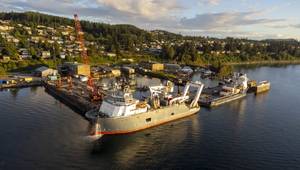
Bahrain Set to Award $400mln Floating LNG Contract
By Aiswarya Lakshmi
October 22, 2015
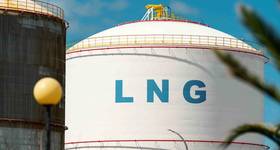
The Bahrain National Oil and Gas Authority (NOGA) will award a $400 million Liquefied Natural Gas (LNG) terminal contract next month, Energy Minister Abdulhussain Mirza told local media this week.
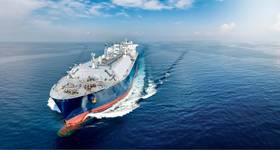
The LNG terminal will be constructed near Khalifa Bin Salman Port, on Bahrain’s northeast shore. Energy Minister Dr Abdulhussain Mirza said it would be operational by early 2018 and would receive deliveries of LNG by ships.
Dr Mirza confirmed that his company is going to award the contract for constructing a floating terminal in the sea to receive LNG next month, according to a report in Gulf Daily News. The $400m dollar (LNG) project is expected to be operational by the first quarter of 2018.
Dr Mirza said: “This will allow us to import 400m standard cubic feet (scbf) of gas per day with flexibility to expand it to 800m scbf per day. This will be a complete solution for Bahrain’s gas requirements and the country will never be short on the quantity of gas needed.”
This new LNG installation will have an initial capacity of 400 million ft3, but will have the option of later being expanded to have a capacity of 800 million ft3. Furthermore, Mirza claimed that he also wished to increase the LNG capacity of an existing LNG plant – Bahrain National Gas (Banagas) – by 350 million ft3.