Egypt is expected to receive a $1.2 billion disbursement from the International Monetary Fund this month as part of an $8 billion program with the international lender, Finance Minister Ahmed Kouchouk said on Sunday.
Last month, the IMF said it reached a staff-level agreement with Egypt on the fourth review of the 46-month Extended Fund Facility arrangement, potentially unlocking the $1.2 billion disbursement.
"The (IMF's executive) board will convene in January and, God willing, we will receive the amount in January," Kouchouk told ON TV in an interview, adding Egypt had not requested an increase to the $8 billion loan.
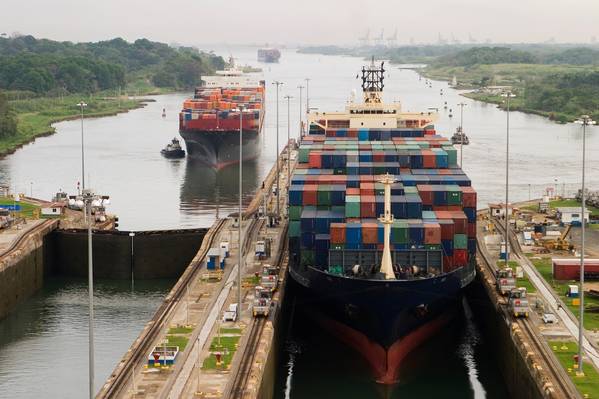
Egypt, grappling with high inflation and shortages of foreign currency, agreed to the expanded IMF program in March. A sharp decline in Suez Canal revenue caused by regional tensions over the last year compounded its economic woes.
Kouchouk also said Egypt is targeting about $3 billion in the remainder of the current fiscal year, which runs until the end of June, through "diverse issuances" to investors, without elaborating further. His comments came in response to a question about whether Egypt plans to offer new bonds to foreign investors this year.