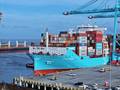
Shipping companies and terminal operators for 29 U.S. West Coast ports appeared to have hit a snag on Wednesday in protracted labor negotiations with the dockworkers' union, calling a news conference to publicly address the status of the talks.
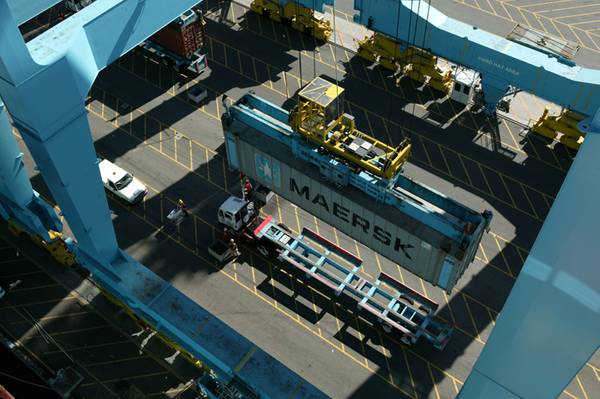
The negotiations, joined in recent weeks by a federal mediator, have coincided with chronic cargo backups hampering freight traffic through waterfronts handling nearly half of U.S. maritime trade and more than 70 percent of imports from Asia.
The companies have accused the International Longshore and Warehouse Union, representing 20,000 dockworkers, of deliberately instigating work slowdowns at the ports to gain leverage at the bargaining table.
The union has faulted the carriers themselves for the congestion, citing changes in shipping practices singled out by port authorities as contributing factors.
Negotiators were thought to be nearing a settlement after nearly nine months of talks following a breakthrough agreement last week on a key point of contention: maintenance and control of freight chassis used to haul cargo from ports to warehouses.
But James McKenna, chief executive for the companies' bargaining agent, the Pacific Maritime Association, said in a statement on Wednesday that he would "provide reporters with an update on negotiations" during a news conference later in the day, his first since the talks began in May.
A management source who spoke on condition of anonymity said the union added new demands during the past week, complicating negotiations. The source said talks were ongoing and McKenna would likely outline the companies' latest contract proposal.
A union spokesman, Craig Merrilees, said he had no immediate comment on the latest developments.
The two sides previously have adhered to a strict news blackout on details of negotiations except to announce last week's tentative deal on cargo chassis and an earlier agreement on healthcare benefits in August.
The parties instead have engaged in a war of words blaming each other for the waterfront cargo gridlock that began in October, disrupting shipments of a wide range of products through the ports.
McKenna's latest statement continued in that vein, saying the union "has conducted slowdowns, walkoffs and other actions" that he said have aggravated shipping delays.
The congestion has been most pronounced at Los Angeles and Long Beach, the nation's two busiest shipping hubs. During the past two days, port authorities there reported more than 20 freighters left idled at anchor, waiting for berths to open.
(By Steve Gorman; Editing by Will Dunham)