U.S. Trade Representative Jamieson Greer told lawmakers on Tuesday that not all of the agency's proposed multimillion-dollar fees for Chinese-built ships to dock at U.S. ports will be implemented, and they may not be cumulative.
Greer told a Senate Finance Committee hearing that the proposals were made to address a lack of shipbuilding in the United States.
He said the port fees were "proposed actions or series of potential revenue" that could be used to incentivize shipbuilding in the United States following a USTR probe into China's growing dominance on the seas.
"They're not all going to be implemented. They're not all going to be stacked," Greer said.
Scores of shipping stakeholders submitted public comments on the plan. Greer said he personally met with a number of them.
USTR is studying that feedback, along with testimony at public hearings in late March, very carefully, he said.
The agency wants to "make sure that we have the right amount of time, the right incentives, to bring shipbuilding here without impacting our economy," said Greer, who did not provide additional details on the proposed remedies.
Implementation of the USTR port fee plan could come as late as November as a result of the feedback, three sources tracking the issue, who declined to be identified, told Reuters.
U.S. steelmakers and the industry's unions have praised the proposal, but were outnumbered by opponents.
During the hearings, farmers, energy producers, chemical and construction companies, and domestic vessel operators testified the plan would saddle them with costs that could put them out of business.
At the same time, domestic port operators warned the fees could spark supply chain chaos reminiscent of the early days of the COVID-19 pandemic.
Maritime experts and attorneys said the language in the USTR proposal published in February is vague.
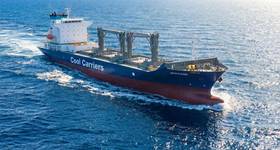
Among other things, they said the fees - which apply to China-based operators, fleets with ships built in China and operators with prospective orders for China-made vessels - could be cumulative and in some cases could reach $3.5 million per port call.
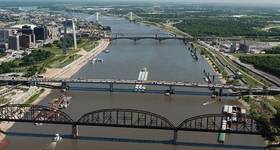
Greer's statements were in response to Republican Senator Bill Cassidy of Louisiana, who voiced concern that the fees could affect commodity shipments in and out of Louisiana and the Mississippi River system.
In particular, Cassidy said he was told that if a South Korean firm had just five China-built vessels in its fleet of 50, all 50 ships would be subject to the fee.
(Reuters - Reporting by David Lawder, additional reporting and writing by Lisa Baertlein in Los Angeles; Editing by Mark Porter, Joe Bavier and Nia Williams)