Training Seafarers on Alt Fuels Focus of IMO

October 2, 2025

Image courtesy IMO
Image courtesy IMO

The International Maritime Organization (IMO) is stepping up efforts to prepare seafarers for shipping’s energy transition, to help ensure personnel are properly trained to work safely on ships using zero or near-zero emission fuels, in line with the IMO's revised strategy to cut greenhouse gas emissions from ships.

IMO has issued Generic interim guidelines on training for seafarers on ships using alternative fuels and new technologies (STCW 7/ Circ. 25). The guidelines set out an international framework for the development and approval of training of seafarers serving on all ships using alternative fuels and new technologies.

Fuel- and technology- specific interim training guidelines - including for methyl/ethyl alcohol, ammonia, hydrogen, LPG, battery-powered ships and fuel cells - are also being developed. They will be considered by the IMO’s Sub-Committee on Human Element, Training and Watchkeeping in February 2026 (HTW 12).  

These guidelines are expected to form the basis for mandatory requirements for seafarer training under the revised 1978 STCW Convention Code, currently under review to support decarbonisation, digitalisation and other developments.

Along with regulations, IMO is expanding its support to Member States. Examples of ongoing initiatives include:  

  • A three-year project funded by Japan to train instructors from Asian countries in operating LNG-fuelled ships;
  • A partnership with the World Maritime University to produce training materials for seafarers on alternative fuels, which also contributed to the Maritime Just Transition Task Force training frameworks, launched in September;
  • Support for trainers in developing countries to produce locally relevant courses along with online learning modules through the GreenVoyage2050 Programme;  
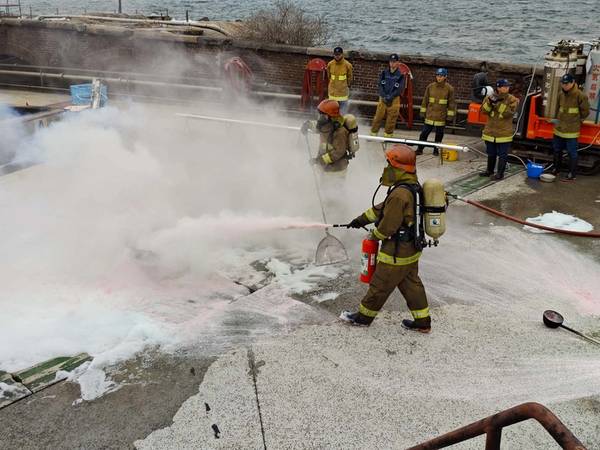
  • Platforms to connect regulators and practitioners, such as a recent seminar in Singapore showcasing practical training innovations from simulators and VR tools to methanol firefighting exercises.

Logistics News

Rio Brasil Terminal Receives Two New Quay Cranes

Rio Brasil Terminal Receives Two New Quay Cranes

By the Numbers: Maritime Safety in 2026 — Fewer Losses, Bigger Risks

By the Numbers: Maritime Safety in 2026 — Fewer Losses, Bigger Risks

Markets: When Will Container Shipping Return to "Normal"

Markets: When Will Container Shipping Return to "Normal"

HDI Global Reorganizes US Operations, Welcomes New CEO

HDI Global Reorganizes US Operations, Welcomes New CEO

Subscribe for Maritime Logistics Professional E‑News

Paris Club: Fix debt restructuring framework for poorer countries
Andy Home: The ROI-Congo pivots to the west under the cover of cobalt control
UN agency reports that ships are already sailing through Hormuz as part of the UN evacuation scheme