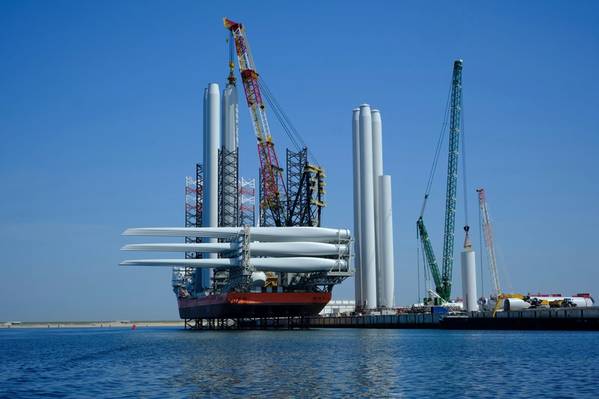
Gavin & Doherty Geosolutions (GDG), a specialist engineering consultant, is undertaking an EU-wide study to determine potential funding models to improve Irish port infrastructure to the scale required to achieve the Government target of 7 GW of offshore wind in Irish waters by 2030.
It follows GDG’s recent National Ports Study, conducted on behalf of Wind Energy Ireland, which found that only one out of 13 major ports on the island of Ireland is ready to be used for constructing offshore wind farms. A key recommendation of the study was for the Irish Government to provide additional support for ports seeking to develop their infrastructure to serve the offshore renewables sector, potentially including state funding.
“Several of our national ports require relatively substantial levels of investment to bring infrastructure to the required levels," said Justin Moran, Director of External Affairs for Wind Energy Ireland. "Support from the Irish Government would help de-risk the level of upfront investment and plug any funding gaps. This new study will identify potential funding streams for Irish ports and will focus on several key case studies where similar projects have been backed by EU Member States.”