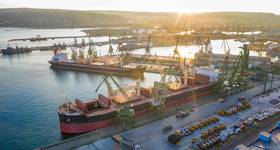
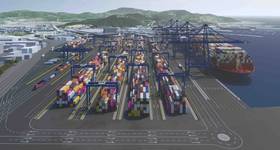
Maritime-related air pollution has decreased as much as 40 percent, depending on the type, since 2005, according to a new report.
The report is the result of the 2011 Puget Sound Maritime Air Emissions Inventory, which provided an update to the 2005 baseline inventory. The study area covered the U.S. portion of the Puget Sound/Georgia Basin International Airshed, an area about 140 miles long by 160 miles wide.
The inventory estimated greenhouse gases, diesel particulate matter and a number of other pollutants, such as sulfur dioxides and volatile organic compounds. It focused on pollutants related to ships, harbor vessels, cargo-handling equipment, rail, heavy-duty trucks and other fleet vehicles associated with maritime activities.
Much of the clean air progress is due to significant, voluntary investments of the maritime industry and government agencies in cleaner technology, cleaner fuels and more efficient systems of operation.
Results from the 2011 inventory will help guide and focus future emissions reduction investments.
Reasons for the improvement:
The maritime industry has adopted a number of voluntary initiatives to reduce emissions, including switching to low-sulfur or biodiesel fuels, using shore power, replacing or retrofitting older engines and improving systems to use equipment more efficiently.
The Northwest Ports Clean Air Strategy , a ground-breaking initiative of the ports of Tacoma, Seattle and Metro Vancouver, B.C., has helped further reduce emissions in the Puget Sound and Georgia air basins. Mandatory engine and fuel standards also have spurred adopting newer engines and cleaner fuels.
Some of the decrease also can be attributed to fewer ship calls and less cargo resulting from a sluggish economy.