Shell Marine is launching Shell Marine 40, an engine oil for use in high-speed diesel engines in the fishing and tug boat segments.
Shell Marine 40 has been formulated to react to the combustion processes that take place in high-speed engines, giving added protection and extended machinery life to vessels whose unavailability can have disproportionate cost consequences further along the supply chain.
Fuel is one of the largest vessel operating costs, so ensuring clean combustion protects both a vessel’s engine and its operator’s bottom line, points out Marcus Schaerer, Shell Marine Global Marketing Manager. Shell Marine 40’s additive system controls piston deposits and helps to maintain good standards of engine cleanliness to ensure more efficient burning and higher reliability, he says.
“Poorer-quality oils can thicken or break down. Either way, the engine can become dirty and less efficient than its designers intended. The change is typically very gradual – almost imperceptible, in fact – so it is hard to detect on a day-to-day basis, but over time the degradation accumulates.”
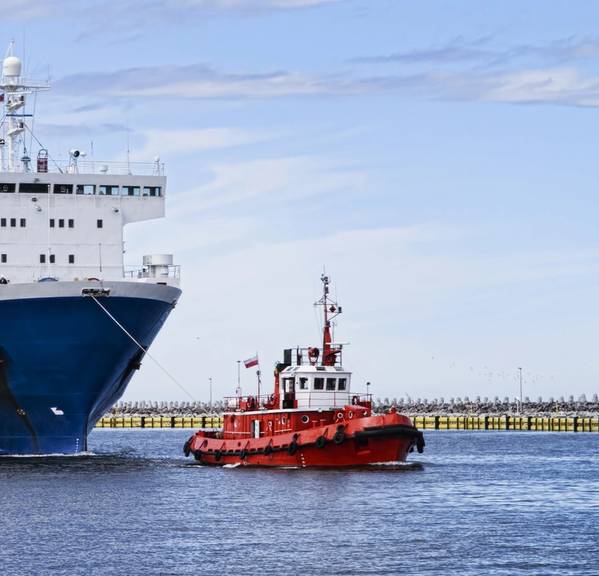
Whether used to sustain a tug maneuvering large cargo ships to facilitate the just-in-time port operations, or a fishing vessel chasing shoals to leverage fluctuations in market prices and consumer tastes, selecting the wrong lubricant can result in premature engine corrosion and wear. Unplanned maintenance or, in more serious cases, outright downtime spent on repair can jeopardize the chances of contracts being renewed or missed catch opportunities. Shell Marine 40 helps to lower maintenance outlay and hence helps to improve vessel availability.
“Recent successes in commercial shipping have been built around the development of innovative solutions, and our expectations in the fishing and tug markets are based on the same marriage between product R&D and deep understanding of the requirements of a specific market,” says Schaerer. “The high-speed engines that power tugs and fishing boats face a vastly different operational profile to a containership or a dredger. We deliver lubricants that recognize and match the differing needs to help ensure that vessel engine can perform their jobs reliably and efficiently.”