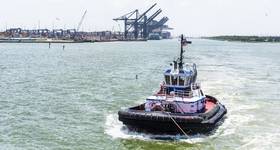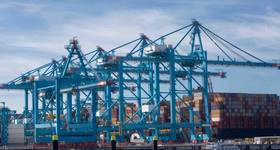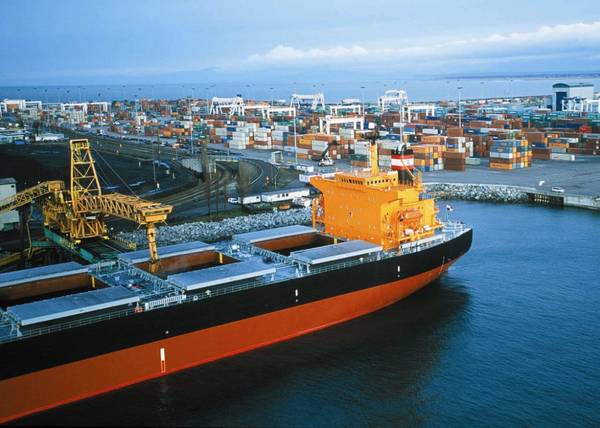
Inchcape Shipping Services (ISS) warned that this week’s industrial action by truck drivers serving Port Metro Vancouver is expected to severely impact Canada's largest and most diverse port.
A strike notice has been issued to the port authority by the United Truckers Association, who have voted for a 48 hour strike commencing Wednesday, February 26. While not all drivers are members of the association, the result is likely to be a complete disruption in trucking and drayage operations, with the possibility of further action, after the initial two-days, further affecting loading operations.
Port Metro Vancouver is comprised of nearly 30 deep sea and domestic marine terminals and latest figures for 2013 report that it handled 135 million metric tons of cargo, a record for the port, and which represented 19 per cent of Canada’s overall trade. The growth reflected the strength of the Canadian economy, international trade development and domestic infrastructure developments.
The strike follows a one-day protest in October 2013, and operators in the port are also mindful of industrial action by truckers in 2005 which caused a six week shut down and estimated losses of CAN $800 million.