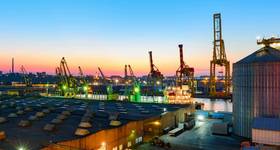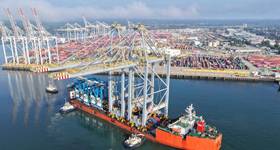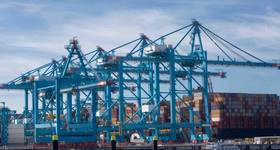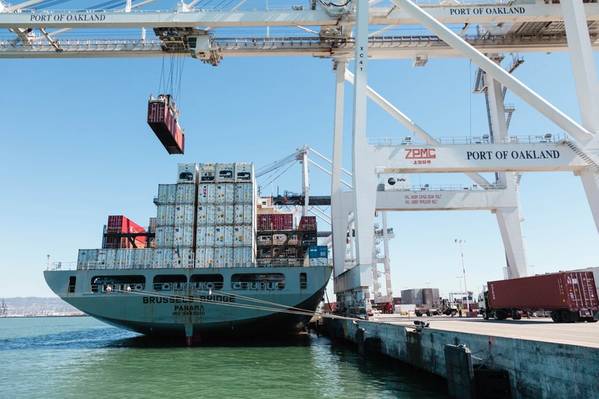
The Port of Oakland had its busiest peak season ever for imports during the past three months.
The Port said today that it handled the equivalent of 250,686 loaded 20-foot import containers from August through October, the traditional highwater mark for container shipping. That broke the old peak season import record of 233,825 containers set in the summer and fall of 2017.
The Port attributed the increase in cargo volume to strong U.S. consumer spending. It added that U.S. shippers accelerated cargo growth by rushing imports into the U.S. ahead of a new round of tariffs to be imposed on Chinese goods. The twin influences supercharged peak season, which is the time of year when U.S. retailers build inventories for holiday merchandising.
The Port handled 82,397 loaded 20-foot import containers last month, making it the busiest October in the Port’s 91-year history. That figure was a 7.4 percent increase over October 2017 volume.
Total volume—imports, exports and empty containers—was up 3.9 percent through the first 10 months of 2018, the Port said. If the trend continues, Oakland would set a new cargo volume record for the third straight year.