Ocean Yield to Invest in Modern Vessels
By Aiswarya Lakshmi
December 29, 2017
Ocean Yield ASA is currently in negotiations regarding further investments in modern vessels with long term charters, said the company.
In a press release, Ocean Yield said that the investments are still subject to board approval and agreement on documentation. Ocean Yield expects that final decisions with respect to these investments will be made during the next few weeks.
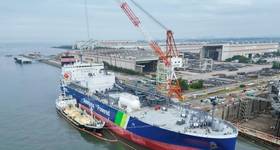
Recently, the company announced that it has agreed to acquire three suezmax crude tankers with 10-year bareboat charters to Nordic American Tankers Limited (NAT).
The net purchase price is USD 43.2 million per vessel after seller's credit. The net purchase price constitutes 77.5% of the gross purchase price, which is equal to the yard contract price.
The vessels are scheduled for delivery by the yard, Samsung Heavy Industries, South Korea, in June, August and October 2018. NAT will have options to acquire the vessels after year 5 and 7 in addition to an obligation to repurchase the vessels at the end of year 10.
Ocean Yield ASA is a ship owning company with investments in vessels on long -term charters. The company has a significant contract backlog that offers visibility with respect to future earnings and dividend capacity.