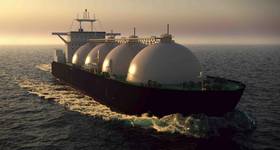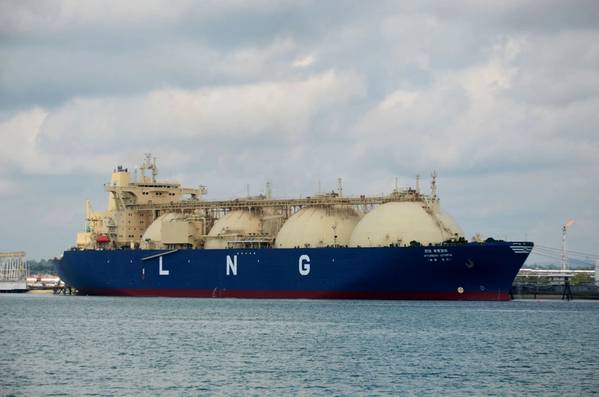
Helge Haugane, head of Equinor's gas and power trading, told Bloomberg News that the European Union could need up to 350 additional cargoes this year of liquefied gas (LNG).
Haugane stated that in the worst case scenario, European reserves of gas could only be 30% full at the end winter. He added that it will be crucial to attract cargoes over the summer for the storage to be refilled, and this could be expensive and require regulatory interventions.
Equinor replied to a comment request by saying that it had nothing to add to what Bloomberg News had reported.
Anders Opedal, CEO of the company, said that Europe needed to attract around 230 LNG cargos more than last year. This represents a 20% increase. This, he said, showed that Europe and Asia could compete for LNG over the summer.
Equinor will surpass Gazprom in 2022 as Europe's largest natural gas supplier when Moscow's invasion into Ukraine disrupts decades-old energy ties. Norway currently meets about one-third the demand for natural gas in Europe.
The higher demand in Europe for filling up storage also shows through the high prices of gas for summer, which is more expensive than contracts for next winter.
(Reuters + Staff)