Malaysian authorities have lifted the suspension of live cattle and buffalo exports from Australia that was enacted due to concerns over lumpy skin disease (LSD).
This follows the provision of technical information to the Malaysian authority demonstrating Australia’s freedom from LSD.
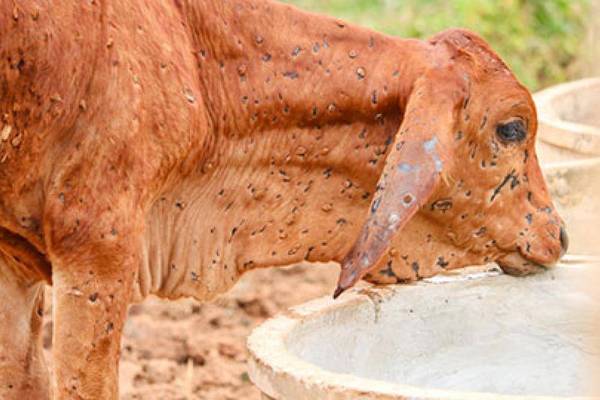
LSD is a highly-infectious viral disease of cattle and buffalo that is transmitted by biting insects. It is not a disease that poses a risk to humans.
A few days prior to the ban being lifted, Australia’s Department of Agriculture, Fisheries and Forestry finalised an investigation into the health status of Australia’s northern cattle herds. The investigation was conducted to provide the assurances that Indonesia and Malaysia requested in response to LSD being detected in a small number of Australian-origin cattle after they had arrived and spent time in Indonesia.
Rapid diagnostic testing was conducted of more than 1,000 head of cattle across northern Australia.
The negative test results further highlight Australia’s robust systems for the ongoing monitoring of animal diseases, including LSD, said Dr Beth Cookson, Acting Chief Veterinary Officer of Australia.
Australia continues to trade livestock products internationally, including live cattle to Indonesia.