Maersk Line to Stay at Houston Port
Aiswarya Lakshmi
June 25, 2015
The world’s biggest shipping company, Maersk Line, and its affiliated shipping services, SeaLand and Safmarine, has agreed to continue to call at the Port of Houston after APM Terminals, a unit of Maersk Group, said it was permanently terminating its operations there, the Port of Houston Authority said.
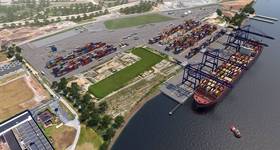
Under the deal, APMT has operated its own section of Barbours Cut terminal, however; the lease will now be transferred to the port authority effective July 24.
According to Maersk, its current services that call the Port of Houston Authority's terminals will remain unchanged and uninterrupted.
"We remain committed to serving all of our customers for whom the Port of Houston is a critical gateway to their supply chains," said Timothy Simpson, who is head of Maersk's Marketing and Communications division located in Florham Park, N.J. "The Port Authority is a valuable partner and we will work with them to ensure there are no service disruptions as a result of this change."
The Port Commission of the Port of Houston Authority last month authorized the termination of a lease with Maersk Group and its affiliated companies, a mutually agreed move that was seen as beneficial to both parties. The transition to termination is under way now, with the process expected to conclude in late July.