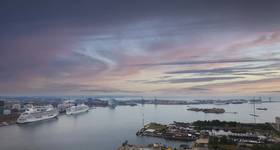
Australia's Macquarie Group Ltd is looking to sell its North American port facilities business, Ceres Terminals, for about $1 billion, the Wall Street Journal reported on Tuesday citing sources familiar with the matter.
The financial conglomerate acquired full control of the general cargo stevedoring operations in 2019 from Tokyo-based shipping and logistics firm Nippon Yusen Kaisha (NYK Line).
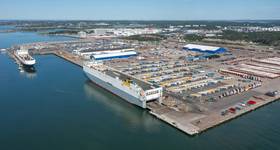
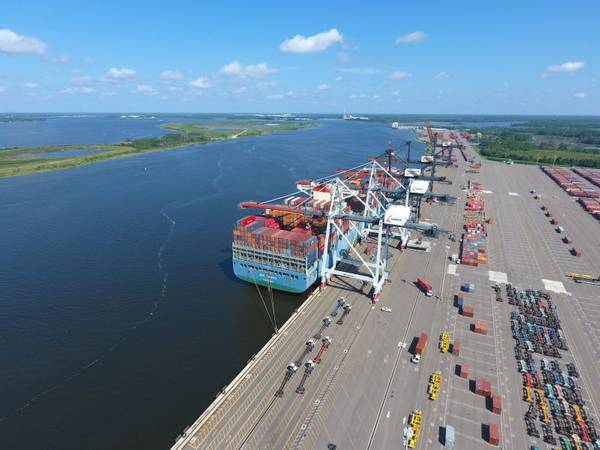
Ceres moves about 4.3 million containers annually at several major ports in the United States, according to its company website.
The shipping industry globally has been under pressure as supply-chain bottlenecks originating from Russia's invasion of Ukraine and COVID-19 have hurt profitability and freight volumes.
Macquarie, which last week reported record annual profit, is looking to sell Ceres as the fund that currently manages the operations, Macquarie Infrastructure Partners III, will be shutting down over the next 12 to 18 months, WSJ reported.
The infrastructure investment manager did not immediately respond to a Reuters request for comment.
(Reuters - Reporting by Roushni Nair; Editing by Vinay Dwivedi)