International Longshoremen's Association (ILA) begins protest in Washington DC & Port of Charleston, South Carolina.
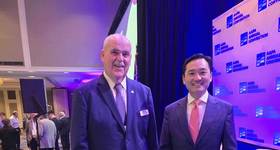
Union longshore workers from many Atlantic Coast District Ports are joining forces outside the United States Marine Barracks in Washington, DC to protest the loss of handling military cargo at the Port of Charleston, South Carolina. Hundreds more members of the International Longshoremen's Association are also picketing simultaneously at the Port of Charleston.
Both demonstrations in Washington and the Port of Charleston are to protest the US Marines allowing Portus Stevedoring Company, a Jacksonville-based company, to move its military cargo operation from Jacksonville, Florida to Charleston but bypassing the use of ILA workers in Charleston.
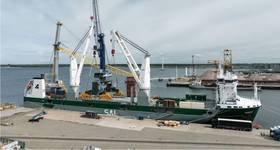
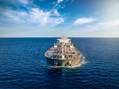
The ILA learned that Portus intends to transport members of the International Union of Operating Engineers and, perhaps even non-union workers, aboard the vessel Lewis and Clark, and have these non-ILA members work the ship at Joint Base Charleston beginning on Monday.
For the past several months, International Vice President Kenneth Riley, ILA military consultant General Patrick Kelly and ILA staff in Washington have been trying to resolve this issue with the International Union of Operating Engineers.