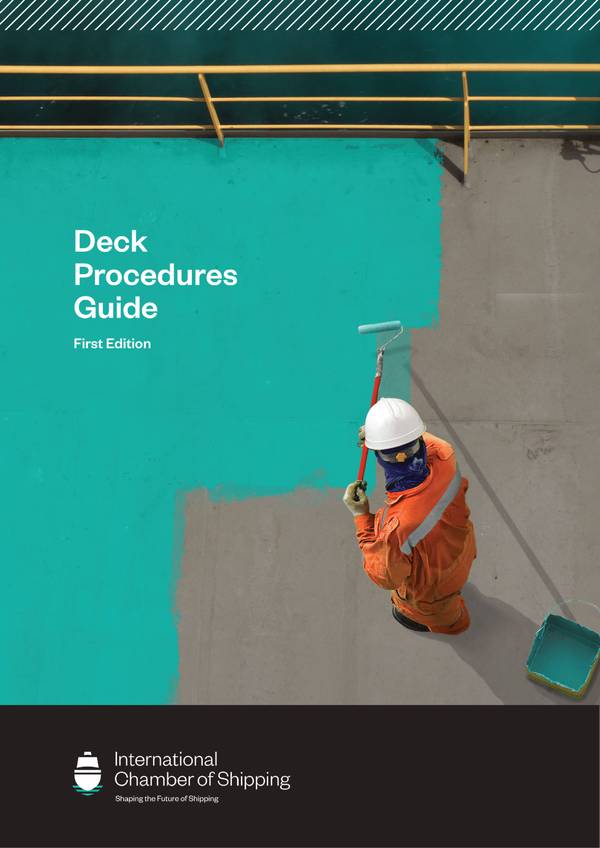
The International Chamber of Shipping (ICS) released its new Deck Procedures Guide, a vital addition to ICS’s suite of shipboard operational guidance. ICS says the publication addresses a critical gap in maritime safety guidance by providing the industry's first comprehensive resource dedicated specifically to deck operations. Together with the widely used Bridge Procedures Guide and Engine Room Procedures Guide, this new publication completes a trilogy of core resources designed to harmonise best practice across all shipboard departments.
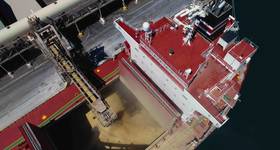
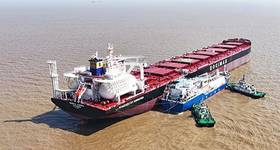
Covering the full spectrum of deck-side activities, the guide includes practical procedures for cargo operations, mooring and anchoring, bunkering, heavy weather preparations, and maintenance of core equipment across all ship types. It also features guidance on compliance with the International Maritime Solid Bulk Cargoes (IMSBC) Code and the International Maritime Dangerous Goods (IMDG) Code, as well as an interactive risk assessment tool and adaptable checklists to support safe and efficient operations. One chapter addresses the emerging challenge of alternative fuel bunkering, including LNG, methanol, and ammonia, developed in collaboration with leading operators and reviewed by the Society for Gas as Marine Fuel (SGMF).
"Deck operations are fundamental to ship safety, and crews need clear, validated procedures for every scenario they face," said John Stawpert, Principal Director - Marine at ICS. "This guide delivers that comprehensive knowledge, from traditional practices to new considerations such as alternative fuels, helping crews operate confidently while maintaining the highest safety standards."
The Deck Procedures Guide has been developed through a rigorous review process involving representatives from Swire Shipping, Anglo-Eastern Univan Group, Japanese Shipowners Association, MISC Group, Intercargo, and CLIA. It provides structured guidance for all key deck operations, supported by practical checklists and risk assessment tools that help identify and mitigate hazards before they occur. The content is designed to be adaptable, enabling organisations to tailor procedures to their specific operational needs while ensuring compliance with international codes.
The guide is designed as an invaluable tool for masters, chief officers, deck officers, bosuns and other members of deck crew, as well as engineering officers responsible for deck machinery and crew involved in bunkering operations. ICS recommends that a copy is carried on board every ship.
It also serves ship superintendents, technical superintendents, HSEQ managers, shipping company shoreside safety teams, training institutions, terminal operators, and organisations transitioning to alternative fuel operations.
The Deck Procedures Guide offers an international alternative to region-specific guidance, reducing deck deficiencies while enhancing safety standards and port state control confidence. The guide emphasises best practice approaches rather than regulatory mandates, providing practical guidance applicable to today's diverse global fleet.