The unloading and loading operations of cargo in Shahid Beheshti and Shahid Kalantari ports of Chabahar have increased by 30% in the first two months of the year Compared to the same period last year.
“During the first two months of the year, the cargo unloading and loading operations in Chabahar port increased by 30% compared to the same period last year", said Hossein Shahdadi, the Deputy of Port and Economic Affairs of the General Directorate of Ports and maritime affairs in Sistan and Baluchestan.
Referring to the promptness of Chabahar port to timely discharge the essential goods for the country, he expressed hope that with the increasing trend of loading and unloading of these types of goods, there would be supply of trucks for the transportation of export goods through the Chabahar port.
Chabahar port has several advantages for exporting and importing and also transit of goods from other countries, such as India and Afghanistan.
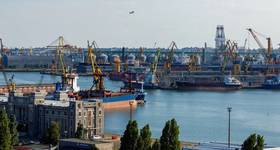
Chabahar Port is a seaport in Chabahar located in southeastern Iran, on the Gulf of Oman. It serves as Iran's only oceanic port, and consists of two separate ports named Shahid Kalantari and Shahid Beheshti, each of which has five berths.