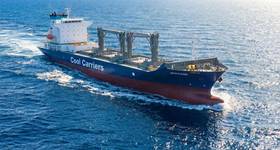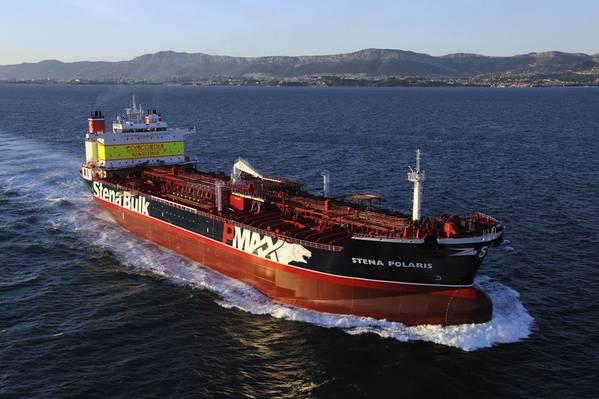
As the tanker market languishes and the containershipping sector drives full speed ahead, Concordia Maritime announced it has embarked on a technical design study on the feasibility of converting several of its tankers to container carriers.
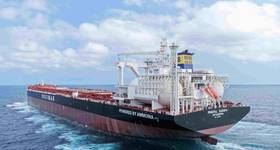
Concordia Maritime launched the study together with Stena Teknik and a German consulting company specializing in ship design. The aim is to investigate the feasibility of converting and adapting a P-MAX vessel for container transportation. The assignment also includes preparation for “basic design” class approval.
According to initial assessments, the P-MAX vessels’ two engines, with full redundancy, and other dimensions make them possible to convert to container vessels with a capacity of approximately 2,100 TEU.
In making the announcement, the company was quick to stress that there are a number of technical and market challenges to overcome, with the design study expected to be completed by the end of Q2 2022.
If the result is positive – it will be followed by discussions with shipyards and possible charterers to explore interest, with early estimates pointing to a full conversion expected to take approximately 3–5 months.
Concordia Maritime owns a total of 9 P-MAX vessels.