The smog-prone Chinese province of Hebei is aiming to slash road freight in favor of rail and river transport over the next two-and-a-half years as part of efforts to improve air quality, officials said.
Hebei, which surrounds the capital Beijing, is on the front line of China's efforts to improve it's poor air quality, and has been under pressure to restrict industrial output, cut coal consumption and curb traffic.
The province has vowed to cut concentrations of hazardous airborne particles known as PM2.5 by a further 15 percent over 2017-2020, although they would still be at more than five times the World Health Organisation's recommended level.
In a local briefing on Tuesday, officials said Hebei will accelerate construction of new rail links in the next two years to reduce road freight, according to a transcript published on the provincial government's website on Wednesday.
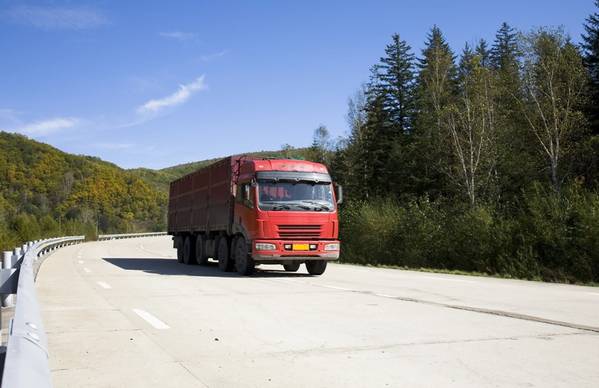
"Exhaust emissions from road freight vehicles, especially medium- and heavy-duty diesel trucks, are one of the main sources of atmospheric pollution," said Song Shuqiang, vice-head of the province's transportation bureau.
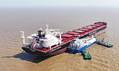
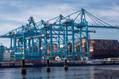
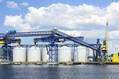
Hebei will improve port infrastructure to facilitate the change, and shift deliveries of iron ore to steel mills to rail.
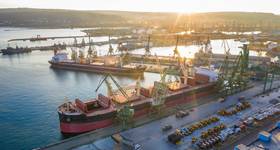
It aims to raise the rail delivery capacity for iron ore shipped from the major port of Caofeidian to 40 million tonnes by next year, up from about 15 million tonnes this year, Song said.
By 2020, all major deliveries of iron ore and coking coal from the ports of Huanghua and Tangshan, which includes Caofeidian, will be by rail or waterways rather than roads, he added.
In the first half of the year, 57 percent of the province's total freight was delivered by road, with just 11.7 percent by rail.
Hebei came under pressure to cut pollution by 25 percent over the 2013-2017 period. It met the target with blanket curbs on industrial enterprises, coal consumers and traffic, but has since vowed to adopt a more targeted approach.
The latest moves are in line with a national plan to boost rail freight levels by as much as 30 percent by 2020, with trucks blamed for producing 13 times more pollution per unit of cargo than trains.
Hebei's major industries like steel and coking coal would also face far tougher standards in the coming two to three years, said Gao Jianmin, the head of Hebei's environment bureau.
Steel mills will have to slash dust emissions fourfold and sulphur dioxide sixfold, he said.
(Reporting by David Stanway; editing by Richard Pullin)