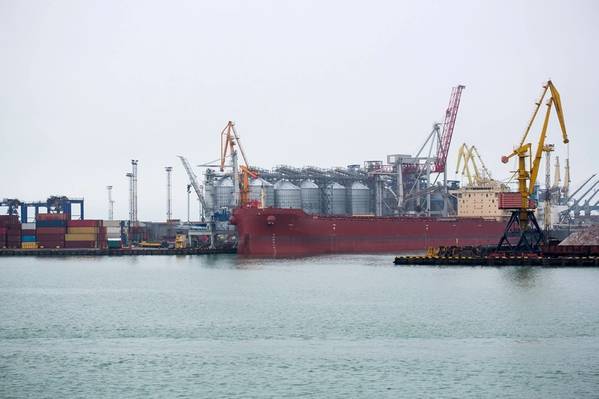
The Baltic Exchange's main sea freight index on Monday drifted up to its highest since September 2010, as an uptick in rates for the larger capesize segment offset a drop in panamax vessel demand.
The Baltic dry index, which tracks rates for capesize, panamax and supramax vessels ferrying dry bulk commodities, edged up 20 points, or 0.7%, to 2,808, a high since September 2010.
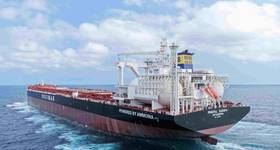
The capesize index was up 70 points, or 1.7%, to 4,262, a peak since July 3, 2020.
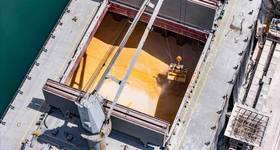
Average daily earnings for capesizes, which typically transport 150,000-tonne cargoes of coal and steel-making ingredient iron ore, gained $585 at $35,347.
Chinese steel futures closed at all-time highs on Monday, underpinned by robust demand and concerns over production curbs, while benchmark iron ore prices hit record highs, fuelled by structural supply shortage.
The panamax index fell 44 points, or 1.7%, to 2,586.
Average daily earnings for panamaxes, which usually carry coal or grain cargoes of about 60,000 tonnes to 70,00 tonnes, lost $396 to $23,271.
The supramax index rose 23 points to an over one-month high of 2,108.
(Reporting by Bharat Govind Gautam; Editing by Shailesh Kuber)