IOC to Acquire 50% Stake in Mundra Terminal
By Aiswarya Lakshmi
August 6, 2017
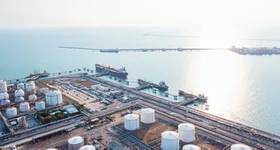
India's state-owned Indian Oil Corporation Ltd. on Friday said it will acquire up to 50 percent stake in Adani Group-backed Gujarat State Petroleum Corp (GSPC) Mundra LNG import terminal in Gujarat for an estimated INR 756 crore (USD 118 million).
According to the Press Trust of India, GSPL LNG is a joint venture of Gujarat State Petroleum Corp and Adani Enterprises. Adani and GSPC are equal partners in GSPL LNG.
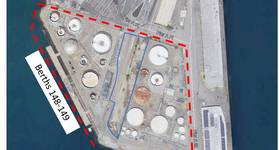
The board of India’s largest oil firm gave “in-principle approval for acquiring up to 50% equity in GSPL LNG Ltd, which is setting up a 5 million tons per annum LNG terminal at Mundra Port in Gujarat”, the company said in a statement. GSPL LNG Ltd will hold the remaining 50% stake in the LNG terminal that is nearing completion.
IOC did not specify the deal value. But, considering that typically 30% of the cost of infrastructure projects are financed by equity and the rest by debt, the acquisition of up to a 50% stake in the INR 5,040 crore (USD 790 million) LNG terminal could cost the refiner at least INR 756 crore (USD 118 million) (half the equity portion of the cost).