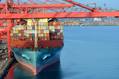
Diana Shipping announced that, through a separate wholly-owned subsidiary, it has entered into a time charter contract with Koch Shipping Singapore, for one of its Panamax dry bulk vessels, the m/v Ismene.
The a global shipping company specializing in the ownership of dry bulk vessels said in a press note that the gross charter rate is US$12,125 per day, minus a 5% commission paid to third parties, for a period until minimum January 1, 2020 up to maximum March 31, 2020.
The charter is expected to commence on December 12, 2018, it said. The “Ismene” is a 77,901 dwt Panamax dry bulk vessel built in 2013.
This employment is anticipated to generate approximately US$4.6 million of gross revenue for the minimum scheduled period of the time charter, said the release.
Diana Shipping Inc.’s fleet currently consists of 48 dry bulk vessels (4 Newcastlemax, 14 Capesize, 5 Post-Panamax, 5 Kamsarmax and 20 Panamax).
As of today, the combined carrying capacity of the Company’s fleet is approximately 5.7 million dwt with a weighted average age of 9.08 years.