U.S. Customs and Border Protection (CBP) Air and Marine Operations (AMO) and SAFE Boat International celebrated the unveiling of AMO’s newest coastal interceptor vessel (CIV) Thursday. In honor of AMO’s historical legacy, this first CIV will be named the Alexandria, after of one of the first maritime law enforcement “Collectorships” used by the Department of Treasury in 1789.
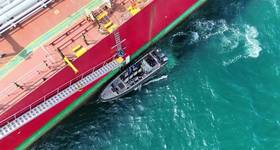
AMO marine interdiction agents will operate the CIV in offshore coastal waters to combat maritime smuggling and protect U.S. ports from acts of terrorism. The vessel will provide agents with requisite speed, maneuverability, and improved safety and comfort. It is equipped with a state-of-the-art marine navigational suite.
“We are committed to equipping our agents with what they need, enhancing their ability to perform this important homeland security mission,” said Edward E. Young, Deputy Assistant Commissioner AMO. “We look forward to our continued relationship with Safe Boats International as we move our fleet into the future.”
AMO currently operates a fleet of high-speed interceptor vessels that are approaching the end of their service life. Following the acceptance of this first vessel, AMO intends to acquire up to 52 of the new CIVs to meet emerging Department of Homeland Security mission requirements.