SwissMarine Hires Diana's Capesize Bulker
By Aiswarya Lakshmi
January 30, 2016
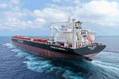
Greek dry bulk shipping company Diana Shipping has entered into a time charter agreement with Geneva-based SwissMarine Services S.A. for its Capesize dry bulker the m/v Houston.
The gross charter rate is US$5,150 per day, minus a 5% commission paid to third parties, for a period of minimum eleven (11) months to maximum fourteen (14) months. The charter is expected to commence on January 30, 2016.
The “Houston” is a 177,729 dwt Capesize dry bulk vessel built in 2009.
This employment is anticipated to generate approximately US$1.7 million of gross revenue for the minimum scheduled period of the time charter.
Diana Shipping Inc.’s fleet currently consists of 43 dry bulk vessels (2 Newcastlemax, 14 Capesize, 3 Post-Panamax, 4 Kamsarmax and 20 Panamax).
The Company also expects to take delivery of one new-building Newcastlemax dry bulk vessel during the third quarter of 2016 as well as one new-building Newcastlemax dry bulk vessel and one new-building Kamsarmax dry bulk vessel during the fourth quarter of 2016.
As of today, the combined carrying capacity of the Company’s fleet, excluding the three vessels not yet delivered, is approximately 5.0 million dwt with a weighted average age of 7.43 years. A table describing the current Diana Shipping Inc.