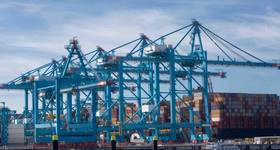
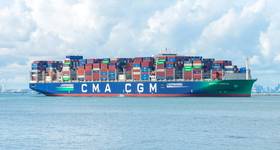
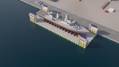
Construction of the new 70-hectare container terminal at Port of Sohar begins shortly, operational in 2014.
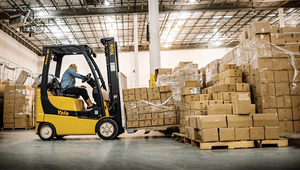
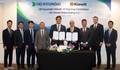
As part of the expansion deal, container-terminal operator Hutchison Whampoa has signed an agreement for developing the 70-hectare container terminal for Oman International Container Terminal which will raise capacity from 800,000 Twenty-foot equivalent units (TEUs) to 1,500,000 TEU's.
Port of Sohar is a deep sea port in the Middle East situated in the Sultanate of Oman, 220km northwest of its capital Muscat. The management of this industrial port lies with Sohar Industrial Port Company SAOC (SIPC), a 50/50 joint venture between the Government of Oman and the Port of Rotterdam.
Port of Sohar houses three clusters: logistics, petrochemicals and metals. World-leading companies Vale, Air Liquide, Larsen & Toubro, Methanol Holding International and Jindal Power & Steel are established in Port of Sohar. The independent terminals are operated by world class leading companies; C. Steinweg Oman for general cargo, a joint venture between Oiltanking and Odfjell for liquid cargo and Hutchinson Whampoa for containers