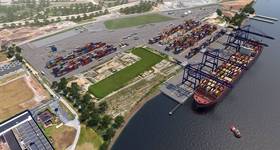
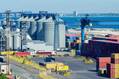
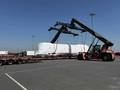
Wilhelmsen Ships Service (WSS) Saudi has been appointed by the new Ras Al Zawr port in Saudi Arabia LPG/C Al Barrah as the first agent to be issued a license of operation to load ammonia. Ras Al Zawr is one of the six new ports planned by the Saudi Government as they realize their goal of economic expansion and diversification. Construction of the integrated chemical and fertilizer facility and related infrastructure for the Phosphate Project has been completed recently for clients and operators Maaden and SABIC. Phosphate concentrate will be transported by rail from the Al Jalamid mine site some 1200km to Ras Al Zawr for processing. The phosphate concentrate will be processed in a fertiliser production facility consisting of a phosphoric acid plant, a sulphuric acid plant, an ammonia plant, a DAP granulation plant, a co-generation plant and desalination plant, and other infrastructure. It is estimated that the Phosphate Project will produce approximately 3 MT pa of granular DAP, plus approximately 0.4 Mt pa of excess ammonia. It is also anticipated that the Phosphate Project will generate approximately 0.2 Mt pa of excess phosphoric acid for sales to the domestic market in Saudi Arabia. Export of all products is expected to be in full operation by the end of the summer.
http://wilhelmsen.com/ships_service