Rotor Sail gets Type Approval

March 5, 2019

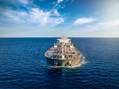
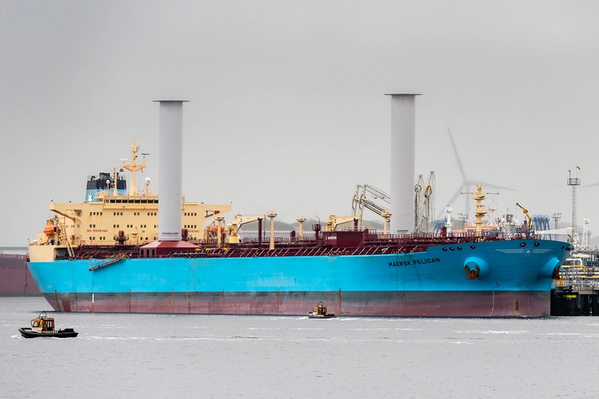
Two 30mx5m Norsepower Rotor Sails onboard the Maersk Pelican. (Photo: Norsepower Oy)

Norsepower Oy Ltd., which provides auxiliary wind propulsion for ships, said its Rotor Sail Solution has received the first-ever type approval design certificate granted to an auxiliary wind propulsion system onboard a commercial ship.

The type approval from DNV GL was issued in February 2019 after a design assessment of Norsepower’s 30- x 5-m Rotor Sail, two of which have been installed onboard the Maersk Pelican LR2 tanker. The certification means that vessels operating Norsepower’s Rotor Sail Solution are technically capable of safely navigating ‘all operational and environmental situations’.

Norsepower’s Rotor Sail Solution is installed on three vessels and has achieved more than 35,000 hours in operation, reportedly saving more than 4,500 tons of CO2 in the process. According to the company, the solution has delivered independently verified fuel savings with potential of up to 20%.

Logistics News

ScioSense Launches UFC23 Ultrasonic Flow Converter for High-Precision, Ultra-Low-Power Smart Metering

ScioSense Launches UFC23 Ultrasonic Flow Converter for High-Precision, Ultra-Low-Power Smart Metering

Samsung Heavy Industries Receives AIP Certificate for Floating Data Center from ABS

Samsung Heavy Industries Receives AIP Certificate for Floating Data Center from ABS

US Import Costs Rise in April, Fuel Sees Biggest Gain in Four Years

US Import Costs Rise in April, Fuel Sees Biggest Gain in Four Years

NexusWave Implemented on IEA Fishing Vessels

NexusWave Implemented on IEA Fishing Vessels

Subscribe for Maritime Logistics Professional E‑News

Greek probe finds that suspected Ukrainian sea drone lost its course after malfunctioning, sources say
Shipping data shows that a fourth Malaysian-linked vessel transits the Strait of Hormuz.
Price hikes and outlook cuts are used by airlines to combat the fuel price surge.