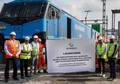
The Freeport of Riga in Latvia has announced that it has signed a cooperation agreement with the Port of Qingdao in China, one of the ten busiest ports in the world.
According to a statement, the goal of the agreement is to facilitate trading, logistics and business partnerships between Latvia and China, boosting the exchange of information and expertise in the fields of port planning and development, port management and information technologies.
“Last autumn, we transported cargo by rail directly from the City of Xi'an to the Port of Riga. After signing this agreement, we can hope for new cargo flows in future,” said the statement.
The Port of Qingdao is one of the ten largest ports worldwide in terms of cargo turnover. Last year, it was ranked 8th in the world with respect to container cargo turnover.
“Until now, we have not had any partnerships with a port in this region; therefore, I am convinced that the signing of this agreement with the Freeport of Riga can serve as a good start for fruitful cooperation in future”, stated Li Fengli, Chairperson of the Board of the Port of Qingdao.