Reducing Risk of Bulk Cargo Liquefaction
Posted by Michelle Howard
April 5, 2017
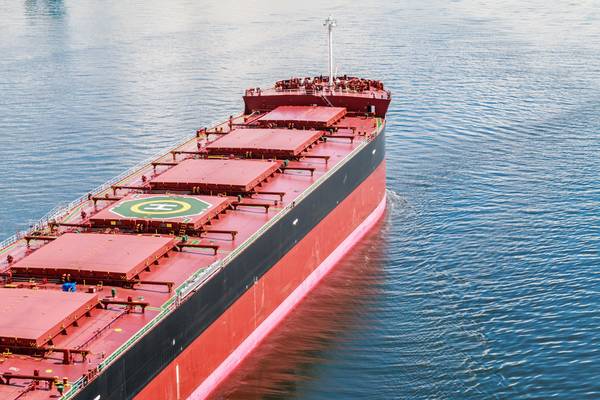
File Image (CREDIT: AdobeStock)
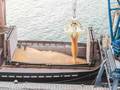
The London P&I Club, working in co-operation with leading classification society Bureau Veritas and its casualty and salvage subsidiary TMC Marine, has produced an operational guide designed to reduce the risk of liquefaction in potentially volatile bulk cargoes such as ore fines and concentrates.
Reducing the Risk of Liquefaction is intended to provide general guidance and practical advice to masters, shipowners, shippers and charterers on the loading and carriage of bulk cargoes which may liquefy, the risks associated with liquefaction, and the precautions which should be taken to minimise those risks.
Despite an improvement in the awareness of the risks associated with the carriage of cargoes such as iron ore fines, coal, manganese ore fines and nickel ore, incidents involving liquefaction continue to occur, sometimes with catastrophic and tragic results. The main, mandatory requirements for the safe carriage of solid bulk cargoes are stipulated in the IMSBC Code, but Reducing the Risk of Liquefaction supplements this by explaining the precautions that should be taken before accepting cargoes for shipment and the procedures to be followed for their safe loading and carriage.
Carl Durow, Loss Prevention Manager at The London P&I Club, says ‘Bulk carriers represent a significant proportion of the tonnage entered in the London P&I Club, and we continue to see evidence of incidents involving cargo liquefaction, most notably involving shipments from South-East Asian ports. The club is therefore committed to providing advice which improves an understanding of how liquefaction occurs and its effect on the stability of a ship. Key decision-makers are generally to be found on board ships, and the advice in the guidance which we have produced in co-operation with BV and TMC is therefore aimed primarily at seafarers.”