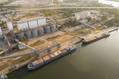
The Vancouver Fraser Port Authority, the largest port in Canada and the largest in the Pacific Northwest, has recorded new mid-year record for container volumes.
Between January 1 and June 30, 2019, overall cargo through the port increased 0.5% to a record 72.5 million metric tonnes (MMT) over the same time last year, with new mid-year records in containers, potash, grain and cruise passengers.
“This year’s record mid-year cargo volumes reflect what continues to be two of the Port of Vancouver’s greatest strengths—its broad global reach and ability to accommodate the most diversified range of cargo of any port in North America,” said Robin Silvester, president and chief executive officer of the Vancouver Fraser Port Authority.
“While Canada is certainly not exempt from the challenges impacting global trade, the diverse range of trading partners and cargo handled through the Port of Vancouver ensures the entire port remains resilient, despite variations in any one sector or commodity,” Silvester added.
Strong global demand for Canadian grain resulted in a new mid-year record of 14.8 MMT (both containerized and bulk volumes).
Shipping container quantities (measured by TEUs or 20-foot equivalents) also reached a new mid-year record of 1.7 million TEUs, an increase of 3.5% compared to mid-year container quantities in 2018.
In Vancouver, containers arrive filled with electronics, food, clothing and other consumer goods. They leave loaded with Canadian agri products, local wine and craft beer, B.C. forest products and lumber, among other goods.
Container trade through the Port of Vancouver is essential for Canadian businesses to gain access to international markets. Approximately $1 in $3 of Canada’s trade in goods beyond North America move through the port, with a significant portion of these goods moving in containers.
However, independent forecasts show that Canadian west coast container ports will be full by as early as the mid-2020s and therefore unable to accommodate growing trade, which will have far reaching consequences to the Canadian economy.
In preparation for growth in trade shipped in containers, the port authority has partnered with terminal operators to expand and improve existing operations as well as government and stakeholders to invest in road and rail projects to support a more fluid supply chain.