Maersk Line Implements BigOceanData Vessel Tracking
Posted by Michelle Howard
October 3, 2016
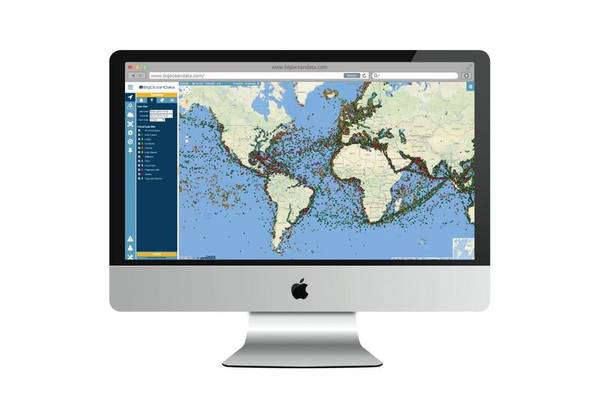
Photo: BigOceanData
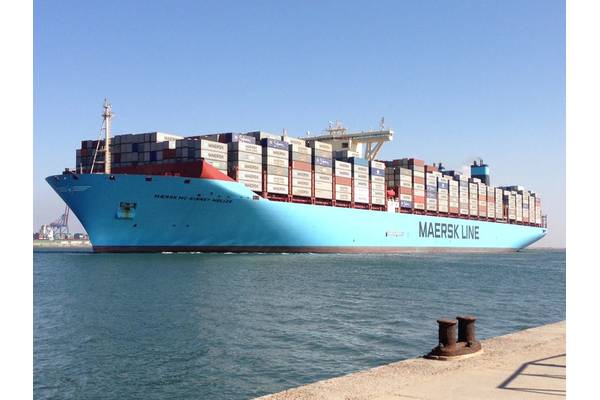
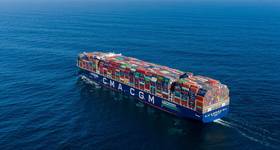
Photo: Maersk Line
BigOceanData and Maersk Line have entered into a two-year agreement whereby BigOceanData will deliver vessel tracking services to Maersk Line. The initial system went live on August 1, 2016 and is already in use in operation centers around the world on both desktop and mobile devices. BigOceanData is now working with Maersk Line to optimize the vessel tracking system for their in-house systems.
BigOceanData is initially being used to track Maersk Line’s fleet, a total of approximately 630 owned and chartered vessels, using fused satellite and terrestrial data feeds to deliver a reliable service capable of providing consistent position reports. Maersk Line uses this information to optimize the performance of the fleet.
The BigOceanData system also supplies a wide range of additional environmental, navigation and security data which can then be integrated with clients’ in-house systems, thereby reducing costs and increasing efficiencies. Implementation of this service with Maersk Line will allow a secure, two-way exchange of data between Maersk Line’s systems and the BigOceanData interface.