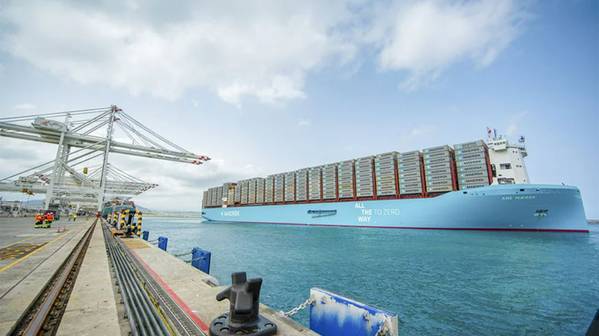
In February 2025, Maersk and Hapag-Lloyd will launch their Gemini Cooperation aimed at delivering a flexible and interconnected ocean network with schedule reliability above 90% once fully phased in.
The companies unveiled the concept in January 2024 and have been working on finalizing the details of a joint ocean freight network on East-West trades. Depending on which network the cooperation will phase in, the new network will consist of either 300 or 340 vessels:
Trans-Suez Network: Approx. 300 vessels, 3.4 million TEU capacity, 57 services (27 mainliners, 30 shuttles)
Cape of Good Hope Network: Approx. 340 vessels, 3.7 million TEU capacity, 59 services (29 mainliners, 30 shuttles).
The company will announce their decision on which network to implement in October 2024.
“We are looking forward to the launch of our completely redesigned network next year, and we are happy to reconfirm that our schedule reliability target remains unchanged irrespective of which network we will phase in. We believe our collaboration will raise the bar for reliability to the benefit of our customers and set a new and very high standard in the industry,” said Vincent Clerc, CEO of Maersk.