Long Beach: Course Set for Ops Excellence
Posted by Michelle Howard
April 24, 2019
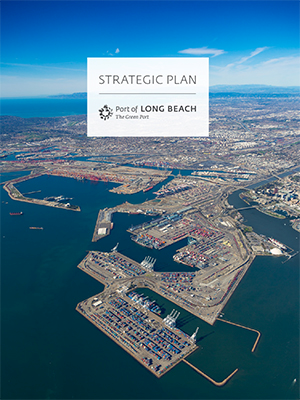
Photo: Port of Long Beach
The Long Beach Board of Harbor Commissioners this week approved an updated Strategic Plan for the Port of Long Beach, laying out the key goals and objectives for the nation’s second-busiest container seaport.
As one of the most successful seaports in the world, the Port of Long Beach aims to continue its leadership in customer service, environmental stewardship, security and community partnership. The Harbor Department periodically updates the Port’s Strategic Plan under the guidance of the Harbor Commission.
Six strategic goals set the foundation of the updated plan:
- Strengthen the Port’s competitive position through secure and efficient movement of cargo while providing outstanding customer service
- Maintain financial strength and security of assets
- Develop and maintain state-of-the-art infrastructure that enhances productivity and efficiency in goods movement
- Improve the environment through sustainable practices and the reduction of environmental impacts from Port operations and development
- Broaden community access to Port-related opportunities and economic benefits
- Attract, develop and retain a diverse, high-performing workforce